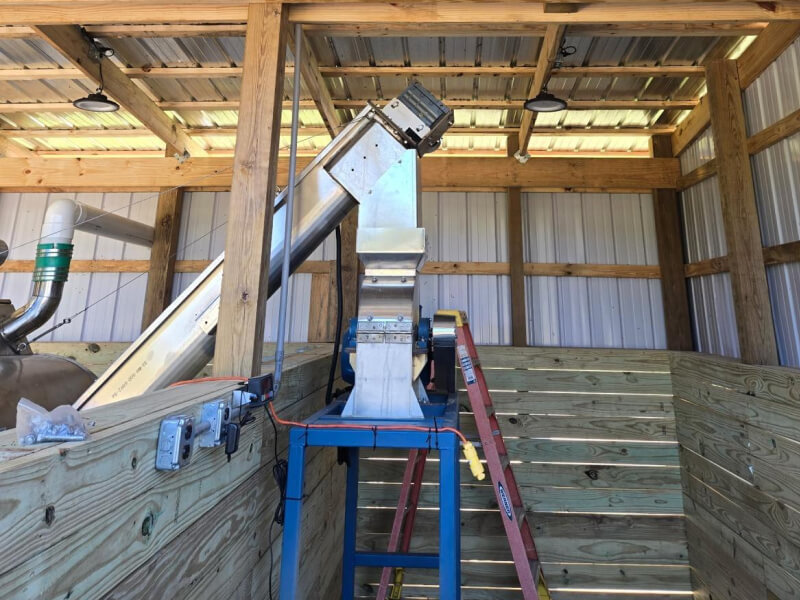
Phoenix Sentry™ On-Farm Poultry Mortality Management

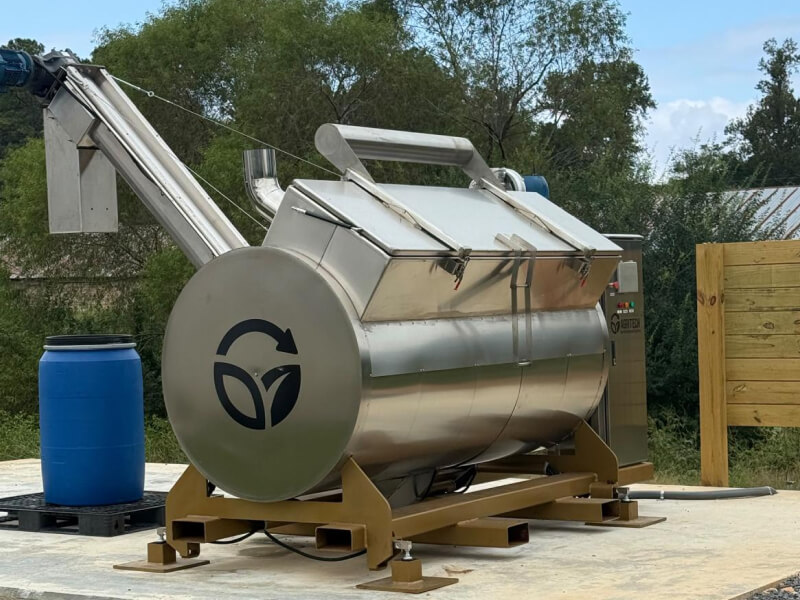
Phoenix Sentry™ processes poultry mortalities on the farm in a contained electric system. Heat, airflow, and mixing turn carcasses into a dry meal that is easier to store and handle. On-site processing helps farms manage biosecurity, labor, odor, and disposal logistics.

How the Process Works

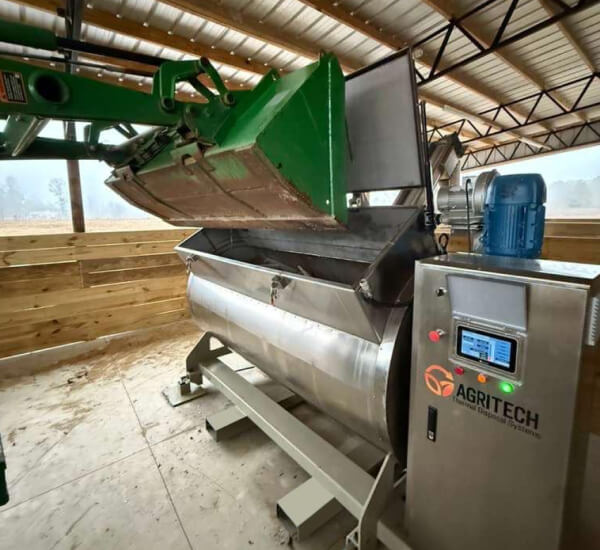
Load mortalities through the wide feed door. The cycle begins with a high-temperature sterilization stage, followed by dehydration while the material is mixed. The finished meal is dry and stable for storage and handling. The system runs on electricity and requires no fuel, added carbon, or long curing period.
Results and Features

Biosecurity: The sterilization stage and dehydration process produce a dry, sterilized meal. Processing mortalities in an enclosed system reduces the disease risk linked to open piles, temporary storage, and off-site transport.

Lower operating costs: The system runs on electricity and can reduce costs associated with fuel, carbon materials, long composting cycles, refrigeration, hauling, and outside disposal services. Actual savings depend on the farm’s current process and local operating costs.

Straightforward loading: Farm staff can use existing equipment to load mortalities through the 7-foot-wide feed door.

Remote monitoring: Operators can check system activity, receive alerts, review process data, and troubleshoot remotely. The system also supports over-the-air software updates.

Electric operation: Phoenix Sentry runs on electrical power and requires no combustion fuel. It produces no combustion emissions or ash. Local permitting requirements vary.

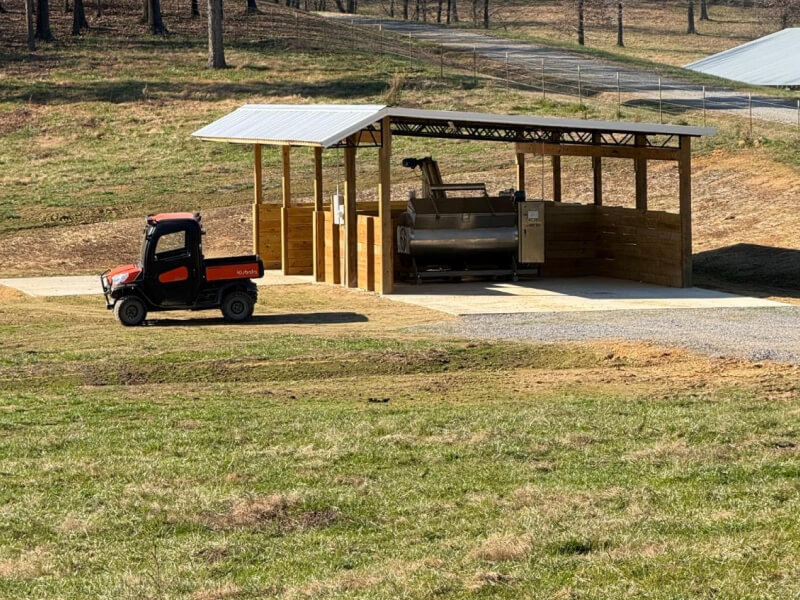
Stainless steel construction: The interior and exterior are made from stainless steel, which resists corrosion from lactic acid in carcasses. Its weather-resistant design and compact footprint allow placement near existing facilities without a concrete pad or roof.

Odor containment: The enclosed thermal process helps contain odors and limit flies and scavenger activity.

Consistent mixing: A heavy-duty mixer motor keeps material moving through the process and helps reduce jamming.

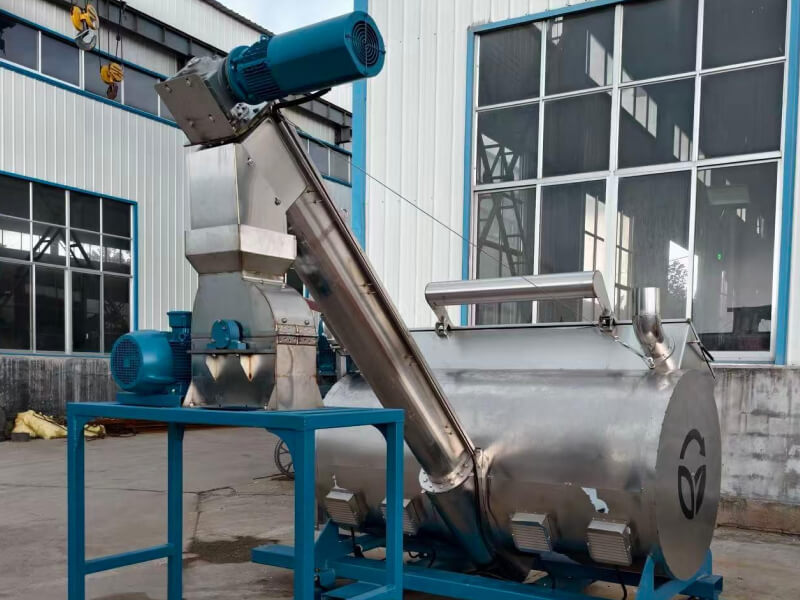
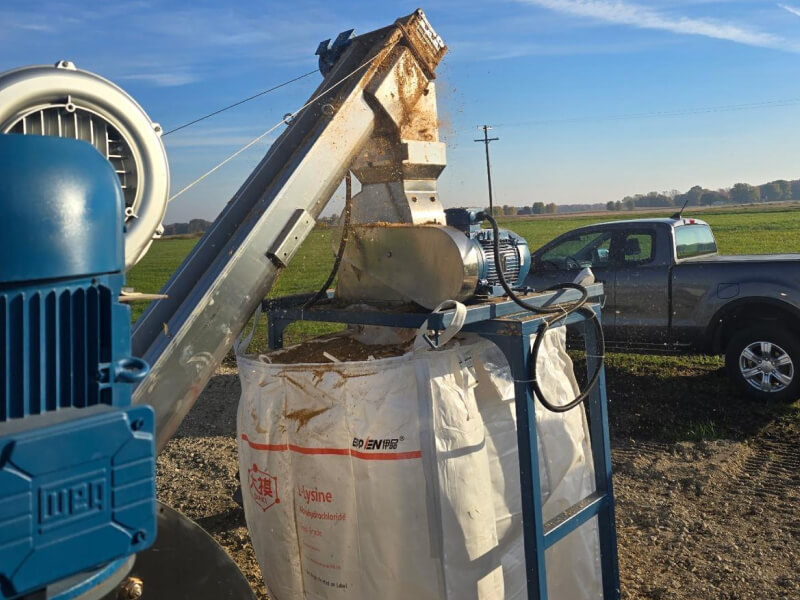
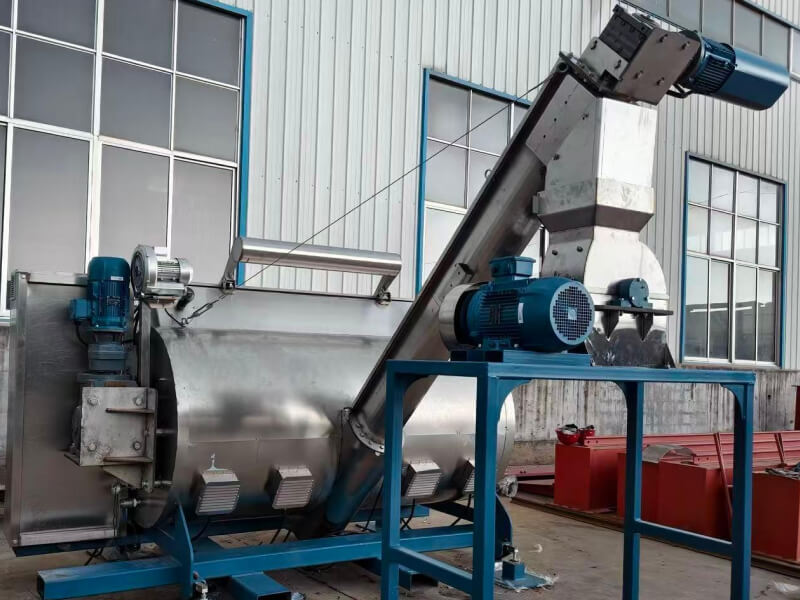
Dry end product: Sterilization and dehydration produce a dry meal for on-farm storage or reuse where permitted. An integrated hammer mill can grind the meal to a smaller, more uniform size for easier handling.

Models and Configurations

Phoenix Sentry comes in several sizes and configurations to suit different farm volumes and end product needs:

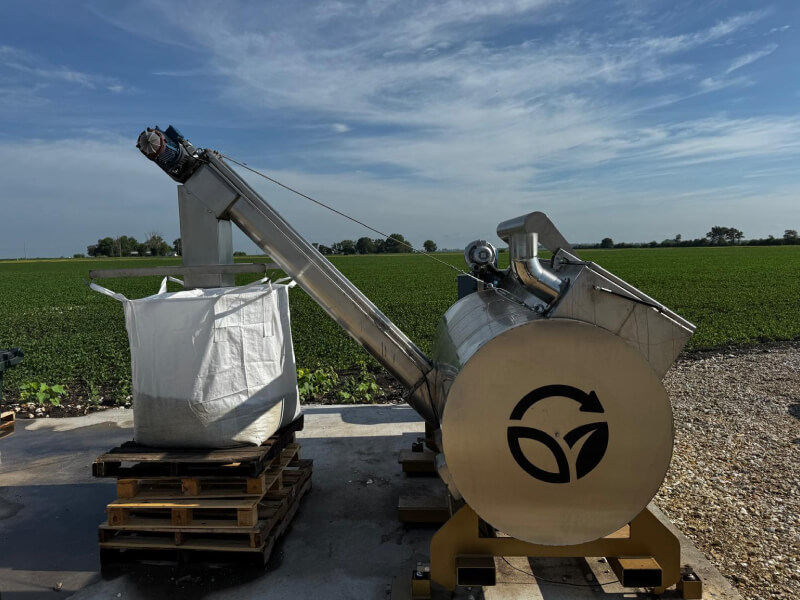
2000 Standard

Standard Phoenix Sentry processing unit.
Hammer Mill

Integrated hammer mill for finer, more uniform meal.
Available Configurations

  • Standard processing units and models with an integrated hammer mill for a smaller, more uniform meal.
  • Capacity from 2000 lb to larger models with capacity of 3,500 lb.
  • Electrical options from 220V to 480V.
  • CE, UL, and CSA certifications available.

All models include stainless steel construction and remote monitoring. They can be installed without a concrete pad or roof. The right configuration depends on daily mortality volume, desired meal size, and local electrical and regulatory requirements.

How It Compares

Composting: Composting requires carbon materials, moisture management, and time to cure. It can also involve ongoing labor, odor, and scavenger concerns. Phoenix Sentry processes material in an enclosed system without added carbon or a curing period.

Cold storage: Freezers require continuous power and keep mortalities in storage until another disposal step is arranged. Phoenix Sentry processes them on the farm in one system.

Incineration: Incineration uses fuel and may require air quality permits. It also leaves ash to manage. Phoenix Sentry runs on electricity and produces a dry meal without combustion.

Phoenix Sentry gives farms an on-farm option to process mortalities and reduce reliance on outside disposal services.

For specifications or help choosing a model, contact our team.